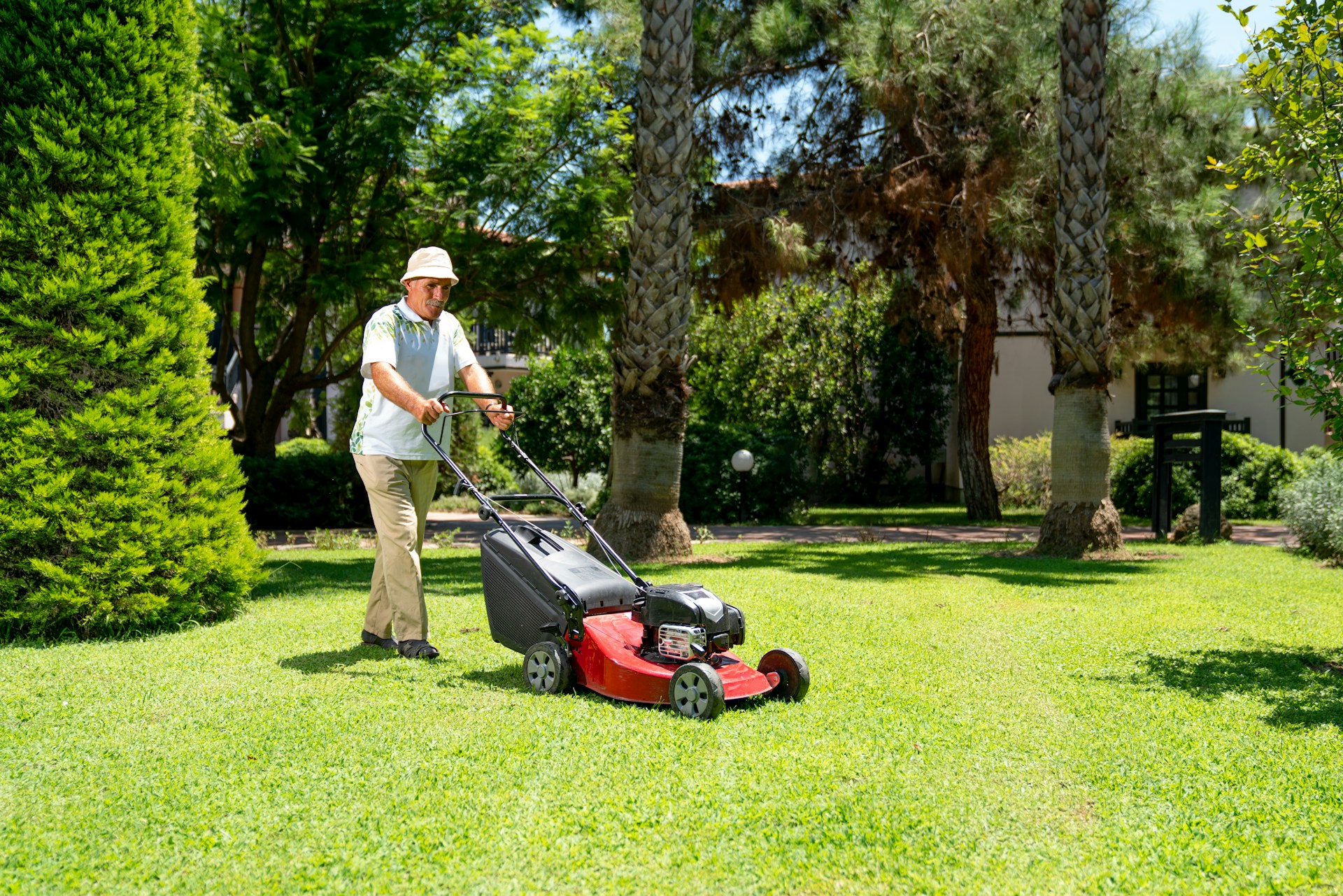
Homeownership brings a steady list of responsibilities, from lawn care to seasonal inspections and routine cleaning. More and more, consumers prefer recurring home services that handle these needs on a predictable schedule. This model removes repeated booking decisions while helping households maintain their properties consistently. Meanwhile, service providers gain steadier demand, stronger customer relationships, and clearer operating forecasts. The shift reflects changing expectations around convenience, reliability, and long-term property care.
Convenience Is Reshaping Home Service Expectations
Modern households balance work, family, errands, and personal commitments. Because time is limited, homeowners value services that reduce planning. A recurring arrangement lets customers set a schedule once and rely on ongoing support. As a result, fewer maintenance tasks get delayed or forgotten.
Convenience also reduces the mental load of property ownership. Instead of searching for a provider every month, customers already know who will arrive. They also understand the expected timing, scope, and payment process. As a result, scheduled home maintenance fits more easily into everyday life.
Digital tools strengthen this appeal. Reminders, online payments, updates, and simple rescheduling make recurring plans easier to manage. As a result, homeowners receive consistent service without repeated phone calls or complicated coordination. This smoother experience can turn routine work into a dependable household system.
Recurring Home Services Create Predictable Value
Customers increasingly judge home services by long-term value. Regular care can identify small problems before they become expensive repairs. For example, routine inspections may reveal drainage issues, wear, leaks, or damaged materials early. Preventive home care can therefore protect both household budgets and property condition.
Providers benefit from the same predictability. Repeat appointments create recurring service revenue and reduce dependence on constant new customer acquisition. Businesses can estimate future workloads with greater confidence. They can also plan staffing, equipment use, and service territories more efficiently.
Trust Grows Through Consistent Service Relationships
Home services often require workers to enter private spaces. For that reason, trust strongly influences customer decisions. Recurring relationships help homeowners get familiar with a company and its service standards. Over time, that familiarity can reduce uncertainty and increase customer confidence.
Consistency matters just as much as familiarity. Customers expect appointments to happen on time and work to meet established standards. When providers deliver reliably, they create evidence that customers can trust. This performance supports stronger home service customer retention and more positive referrals.
Regular contact also gives providers useful knowledge about each property. Technicians can track recurring issues, past work, and changing maintenance needs. With a better understanding of the home, they can offer more relevant recommendations. That personalized attention makes the relationship harder for competitors to replace.
Subscription Home Services Support Better Operations
Recurring models improve the customer experience while making service businesses more organized. Scheduled routes help companies group nearby appointments and reduce unnecessary travel. As a result, teams can complete more work with fewer scheduling gaps.
Demand visibility also improves labor planning. Managers can estimate how many technicians they need during specific weeks or seasons. As a result, hiring and shift decisions become less reactive. Better planning can reduce overtime, missed appointments, and rushed service.
Subscription home services may also improve marketing economics. Retaining an existing customer often requires less effort than repeatedly replacing one-time buyers. Meanwhile, satisfied recurring customers can generate referrals and additional service opportunities. This creates a stronger base for measured, sustainable growth.
Changing Consumer Habits Favor Ongoing Care
Consumers already use recurring payments for entertainment, software, fitness, food, and many other needs. That familiarity makes scheduled property services easier to understand. Homeowners increasingly see maintenance as an ongoing responsibility rather than a series of emergencies. As a result, recurring plans fit naturally into broader purchasing habits.
However, customers still expect flexibility. They want clear terms, useful service frequency, and simple options for changing appointments. Providers that lock customers into confusing plans may weaken trust. Instead, successful programs combine dependable scheduling with transparent choices and responsive communication.
Different households also need different levels of support. A busy family may prioritize cleaning and lawn care, while older homeowners may value broader maintenance assistance. Likewise, rental property owners may need regular inspections and turnover support. Flexible recurring plans can serve these varied needs without becoming overly complex.
A Stronger Market Position Comes From Reliability
The growth of recurring home services reflects a practical exchange of value. Homeowners gain convenience, consistent care, predictable costs, and trusted service relationships. Providers gain recurring service revenue, clearer schedules, and better opportunities to retain customers. Both sides benefit when the service consistently delivers meaningful results.
Market growth will still depend on execution. Companies must set realistic schedules, communicate clearly, and maintain quality across every visit. Moreover, they should use customer history to improve service rather than simply repeat tasks. A recurring model works best when each appointment reinforces its value.
As homeowners seek simpler ways to protect their properties, reliable ongoing care will remain attractive. Providers that combine convenience with preventive home care can build lasting customer relationships. In turn, those relationships create stable demand and a strong business foundation. Recurring services are gaining ground because they make home maintenance easier, more predictable, and more useful.