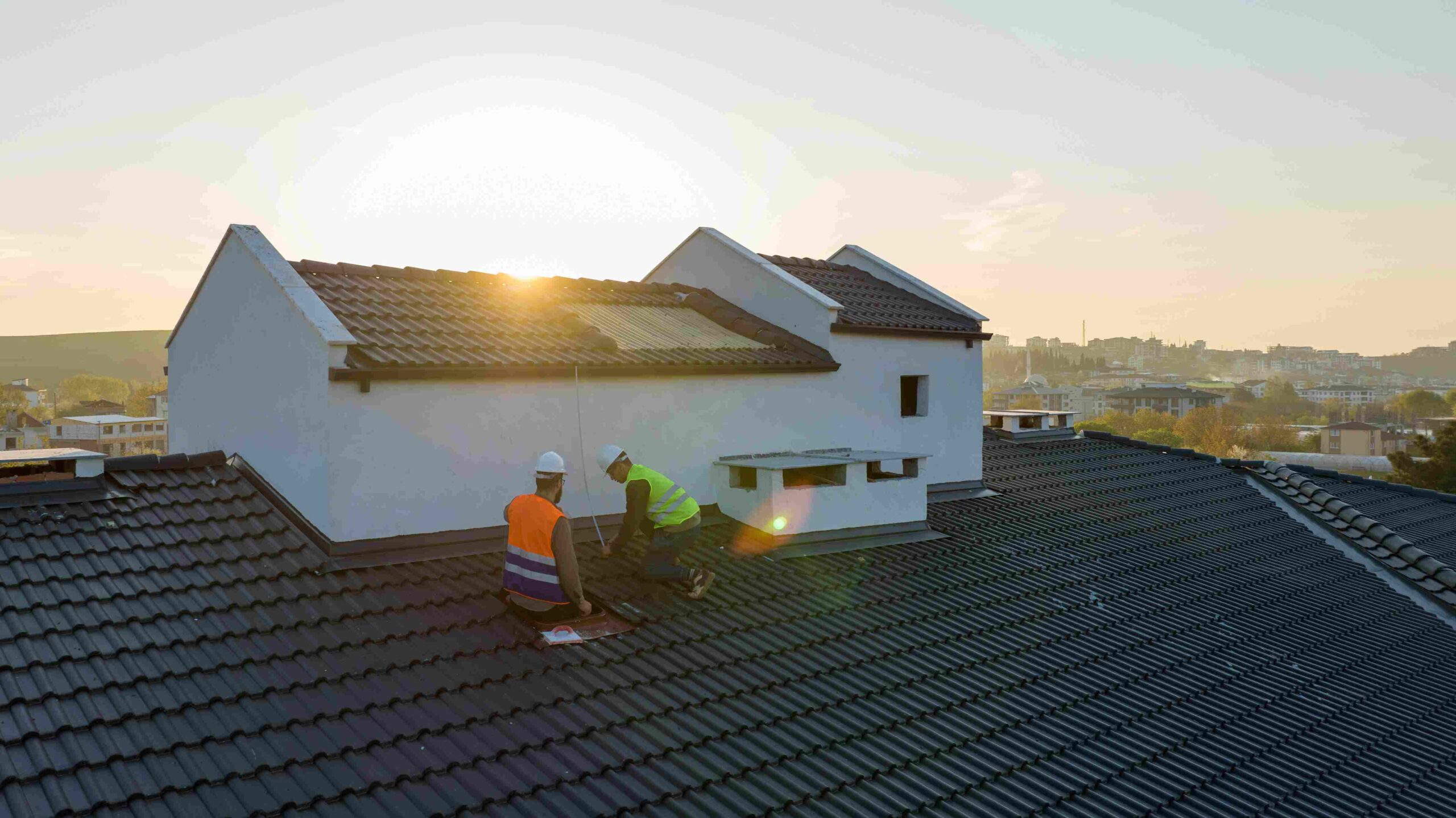
Choosing a roof installer is one of the most important decisions a homeowner can make. A roof protects the entire house from rain, wind, heat, and changing weather conditions. Poor installation can cause leaks, structural damage, and expensive repairs. These problems may appear months after the work is complete. Selecting the right professional helps homeowners protect their property and avoid unnecessary expenses.
Many homeowners focus on price when comparing roofing services. However, the lowest estimate does not always provide the best value. Experience, communication, materials, and workmanship all influence the final result. A careful selection process reduces financial risks and helps ensure the roof performs well for years. Understanding common hiring mistakes allows homeowners to make confident decisions before signing an agreement.
Understand Your Roofing Needs Before Hiring
Every roofing project has different requirements. Some homes need minor repairs, while others require a complete roof replacement. Homeowners should examine visible problems before contacting an installer. Missing shingles, water stains, damaged flashing, and frequent leaks may indicate deeper concerns. Identifying these warning signs helps explain the situation clearly during an inspection. It also makes conversations with roofing professionals more productive.
A professional inspection can reveal damage that homeowners cannot easily see. However, homeowners should avoid assuming that every problem requires a new roof. An experienced installer should explain the condition of the existing roof and recommend practical solutions. Understanding the difference between necessary repairs and optional improvements prevents unnecessary spending. It also helps homeowners compare estimates based on the actual work their property needs.
Research the Installer’s Experience and Reputation
Hiring a roofing company without researching its background can create serious problems. Some contractors offer attractive prices but lack the experience needed for complex installations. Homeowners should investigate how long a company has operated and whether it regularly handles similar roofing projects. Experience with specific roofing materials also matters. A contractor familiar with asphalt shingles may not have the same expertise with metal roofing or tile systems.
Customer feedback provides useful information about a company’s reliability. Online reviews, local recommendations, and previous project examples can reveal patterns in workmanship and customer service. Homeowners should look beyond positive ratings and examine how contractors respond to complaints. A company that addresses concerns professionally often demonstrates greater accountability. Speaking with recent customers can also help confirm whether the installer completed work on time and respected the agreed budget.
Verify Licensing, Insurance, and Professional Standards
One costly mistake involves hiring an installer without checking legal and insurance requirements. Roofing work carries physical risks and can cause accidental property damage. Homeowners should confirm whether the contractor holds the licenses or registrations required in their area. Requirements vary by location, so local rules should guide the verification process. A legitimate contractor should willingly provide relevant business information and explain the standards that apply to the project.
Insurance deserves equal attention. Homeowners should request current proof of liability insurance and workers’ compensation coverage where required. Liability insurance may help address certain types of property damage, while workers’ compensation generally covers qualifying employee injuries. Coverage details and exclusions matter. Homeowners should verify documents with the insurer rather than relying only on verbal promises. These checks reduce the risk of unexpected financial responsibility when accidents occur during installation.
Compare Roofing Estimates Beyond the Total Price
Roofing estimates often differ significantly, even when contractors inspect the same property. One company may offer a lower price because it uses less expensive materials or excludes important services. Another may include better protection, cleanup, and additional installation steps. Homeowners should request detailed written estimates that describe the proposed work. Clear estimates make it easier to understand what each contractor actually offers.
Comparing estimates requires attention to materials, labor, preparation, and waste removal. Homeowners should also check whether the price includes replacing damaged roof decking when necessary. Some contractors charge separately for problems discovered after removing old materials. Understanding these possible costs helps prevent budget surprises. A slightly higher estimate may provide better long-term value when it includes reliable materials, skilled labor, and a clear process for handling unexpected repairs.
Evaluate Roofing Materials and Installation Quality
The quality of roofing materials directly affects durability and maintenance needs. Different products offer varying levels of weather resistance, expected service life, and appearance. Homeowners should ask installers to explain which materials suit their local climate and roof design. For example, homes exposed to strong winds may require specific installation methods or products rated for those conditions. Choosing materials based only on appearance or price can lead to avoidable problems.
Installation quality matters just as much as the materials themselves. Even high-quality shingles can fail when workers install them incorrectly. Proper fastening, ventilation, water protection, and sealing around roof openings help prevent leaks and premature damage. Homeowners should ask how the installer follows manufacturer instructions and applicable building requirements. A knowledgeable contractor can explain these practices in simple language. This discussion helps homeowners recognize whether the company prioritizes lasting performance.
Review the Contract Before Approving the Project
A verbal agreement offers limited protection when disagreements arise. Homeowners should insist on a written contract before work begins. The document should identify the contractor, describe the project, specify materials, and explain the total price. It should also include expected start and completion dates, payment terms, and cleanup responsibilities. Clear contract details reduce confusion and establish expectations for both parties.
Homeowners should pay particular attention to changes that may increase costs. Hidden damage sometimes becomes visible only after workers remove the existing roof. The contract should explain how the installer will document additional problems and obtain approval before completing extra work. Payment schedules also deserve careful review. Large advance payments can create unnecessary risk. A reasonable payment arrangement should follow applicable laws and connect payments to clearly defined project stages.
Understand Warranties and Future Maintenance Responsibilities
Roofing warranties can provide valuable protection, but homeowners sometimes misunderstand what they cover. Material warranties generally address qualifying product defects, while workmanship warranties address certain installation problems. Coverage periods, conditions, and exclusions can differ widely. Homeowners should request written warranty information and review it before choosing a contractor. They should also confirm who handles claims if a problem develops after installation.
Future maintenance affects roof performance as well. Homeowners should ask whether routine inspections, cleaning, or specific maintenance practices are necessary to maintain warranty coverage. They should also understand how repairs by another company might affect existing protection. A reliable installer will explain these responsibilities without making unrealistic promises. Clear warranty terms and practical maintenance guidance help homeowners manage long-term costs and avoid disputes over future repairs.
Pay Attention to Communication and Project Management
Poor communication often signals potential problems before installation begins. Contractors who avoid questions, provide vague answers, or repeatedly miss appointments may struggle to manage a larger project. Homeowners should observe how promptly installers respond during the estimate process. Professional communication helps establish trust and makes it easier to resolve unexpected issues. A dependable contractor should explain the project schedule, expected disruptions, and how homeowners can reach the responsible supervisor.
Good project management also protects the surrounding property. Roofing work can produce falling debris, dust, noise, and heavy vehicle traffic. Homeowners should discuss how workers will protect landscaping, driveways, windows, and outdoor equipment. They should also ask how the company will handle daily cleanup and final inspections. A well-organized installation process reduces property damage, delays, and unnecessary stress. These details often distinguish experienced professionals from less reliable service providers.
Recognize Warning Signs Before Making a Commitment
Certain contractor behaviors should encourage homeowners to investigate further. High-pressure sales tactics, unusually low estimates, and promises that sound unrealistic can indicate problems. Contractors who demand immediate decisions may prevent customers from comparing alternatives. Homeowners should be especially cautious when an installer refuses to provide written details or discourages independent inspections. Reliable professionals understand that roofing projects involve major financial decisions and allow customers reasonable time to evaluate their options.
Homeowners should also avoid contractors who promise guaranteed insurance claim approvals or suggest misrepresenting damage. Insurance decisions depend on policy terms and the insurer’s assessment. Ethical installers can document visible damage and explain repair needs without making misleading claims. Taking time to verify information helps homeowners avoid financial disputes and poor workmanship. Careful judgment during the hiring process can prevent years of frustration.
Make a Confident Decision That Protects Your Investment
Selecting a roof installer requires more than comparing prices and choosing the fastest available company. Homeowners benefit from reviewing qualifications, understanding project requirements, and asking detailed questions. Written estimates, verified insurance, suitable materials, and clear warranties provide a stronger foundation for the decision. Each step reduces uncertainty and makes expensive surprises less likely.
A well-installed roof protects the home, supports comfort, and reduces the likelihood of premature repairs. Investing time in contractor research can save substantial money over the life of the roofing system. Homeowners who prioritize experience, transparency, and workmanship are better prepared to choose a dependable professional. The goal is not simply to finish the roofing project at the lowest price. It is to secure lasting protection and dependable value for the home.