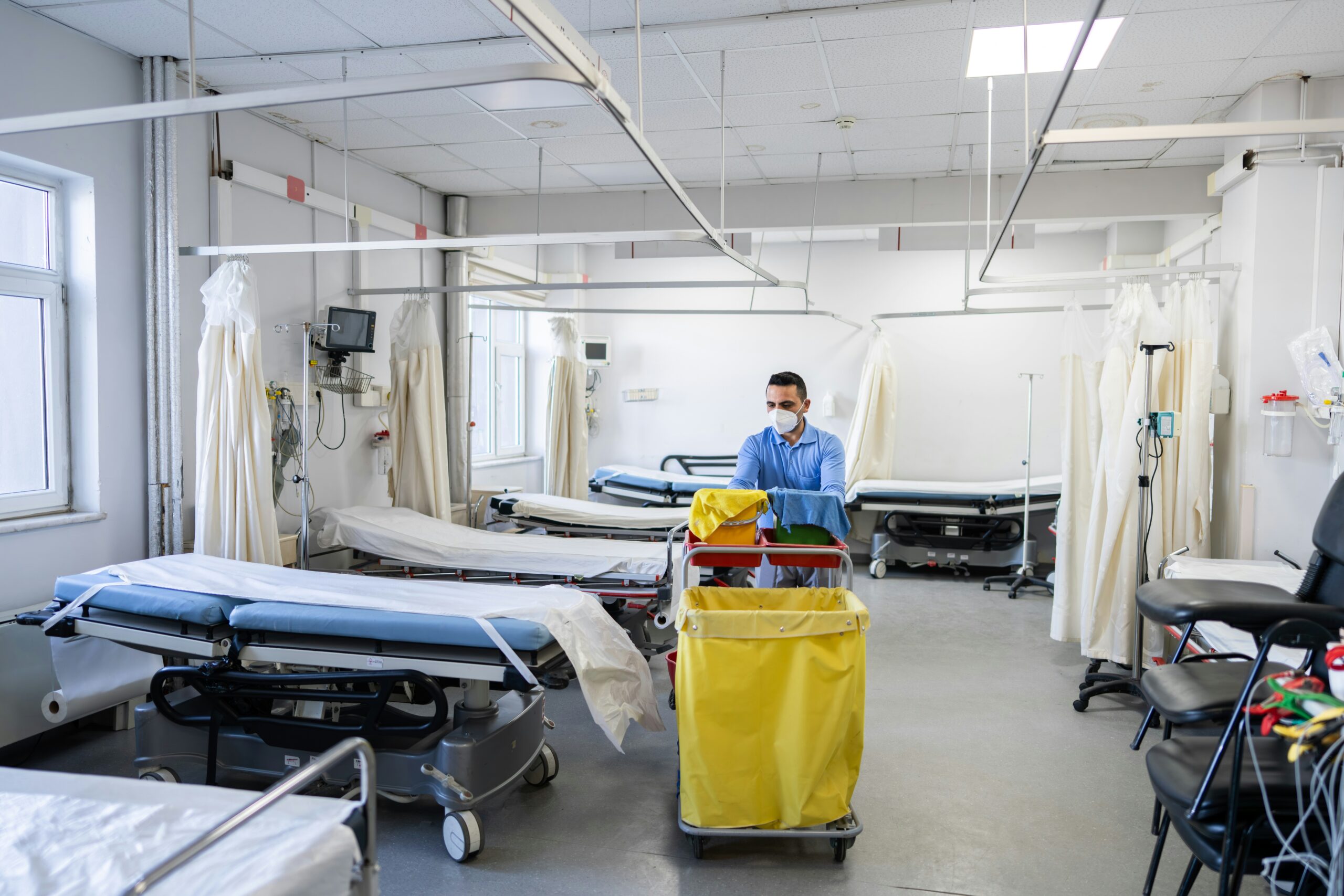
Medical facilities are changing fast. New tools and systems are reshaping how care is delivered. Hospitals and clinics are no longer only physical spaces. They now rely on smart digital support that improves speed, accuracy, and patient comfort.
This shift is not only about machines. It is also about people working more effectively. Doctors and nurses can focus more on patients and less on repetitive tasks. As a result, care feels more personal and more responsive. This new direction is setting a stronger foundation for the future of healthcare.
Faster and Safer Patient Care at the Front Desk
The patient journey now starts with smoother check-in systems. Medical facilities use digital registration that reduces long waiting times. Patients can share details in advance, which helps staff prepare before they arrive. This makes the first step into care much easier and calmer.
These systems also reduce mistakes in basic information. Staff can quickly access the correct patient details, helping avoid treatment delays. With fewer manual steps, the front desk becomes more efficient and better able to help patients directly.
Smarter Diagnosis with Digital Support Tools
Doctors now use advanced digital support tools to help identify health problems. These tools process medical images and patient records quickly. They highlight potential issues so doctors can make faster, clearer decisions. This support helps reduce diagnostic guesswork.
This does not replace medical professionals. Instead, it supports them in making better choices. Doctors retain control while gaining deeper insights. This combination improves accuracy and helps patients receive the right treatment earlier.
Better Treatment Through Connected Care Systems
Medical teams now use connected systems that allow easy sharing of patient information. A doctor can view test results, past treatments, and current notes in one place. This helps reduce confusion and improve coordination between departments.
When teams work with the same updated information, treatment becomes more consistent. Patients do not need to repeat their medical history. This saves time and builds trust between patients and healthcare providers, making care feel more organized and reliable.
Remote Care That Brings Hospitals Home
Healthcare is no longer limited to hospital walls. Many patients can now speak with doctors through video calls or secure digital platforms. This helps people who live far away or cannot travel easily. It also supports quick follow-ups without unnecessary visits.
Remote care also helps manage long-term health conditions. Patients can stay in contact with doctors regularly without leaving home. This makes care more continuous and less stressful. It also reduces pressure on busy medical facilities, allowing them to focus on urgent cases.
Safer Hospitals with Smart Monitoring Systems
Modern medical facilities use smart monitoring systems to improve safety. These systems monitor key conditions, including room temperature, equipment status, and patient movement. Staff receive alerts when something needs attention, which helps prevent problems early.
Safety also improves because equipment is easier to track and manage. Nothing gets misplaced, and important tools are always available when needed. This creates a more controlled environment where both patients and staff feel more secure and supported.
Improving Daily Work for Healthcare Staff
Technology also helps hospital staff work more smoothly. Routine tasks such as record updates and scheduling now take less time. This reduces stress and allows staff to spend more time with patients. Work becomes more focused and less overwhelming.
Better tools also improve communication between teams. Messages and updates travel quickly across departments. This reduces confusion and delays. When everyone stays informed, the entire facility runs more smoothly and efficiently.
A More Human Healthcare Future
Technology is not replacing human care. It is strengthening it. Medical facilities now have better tools to support both patients and healthcare workers. This leads to faster service, clearer communication, and safer environments.
As these improvements continue, healthcare becomes more connected and more responsive. Patients receive better attention, and staff can work with greater confidence. The future of medical facilities is not just digital. It is more human, more efficient, and more focused on real care.