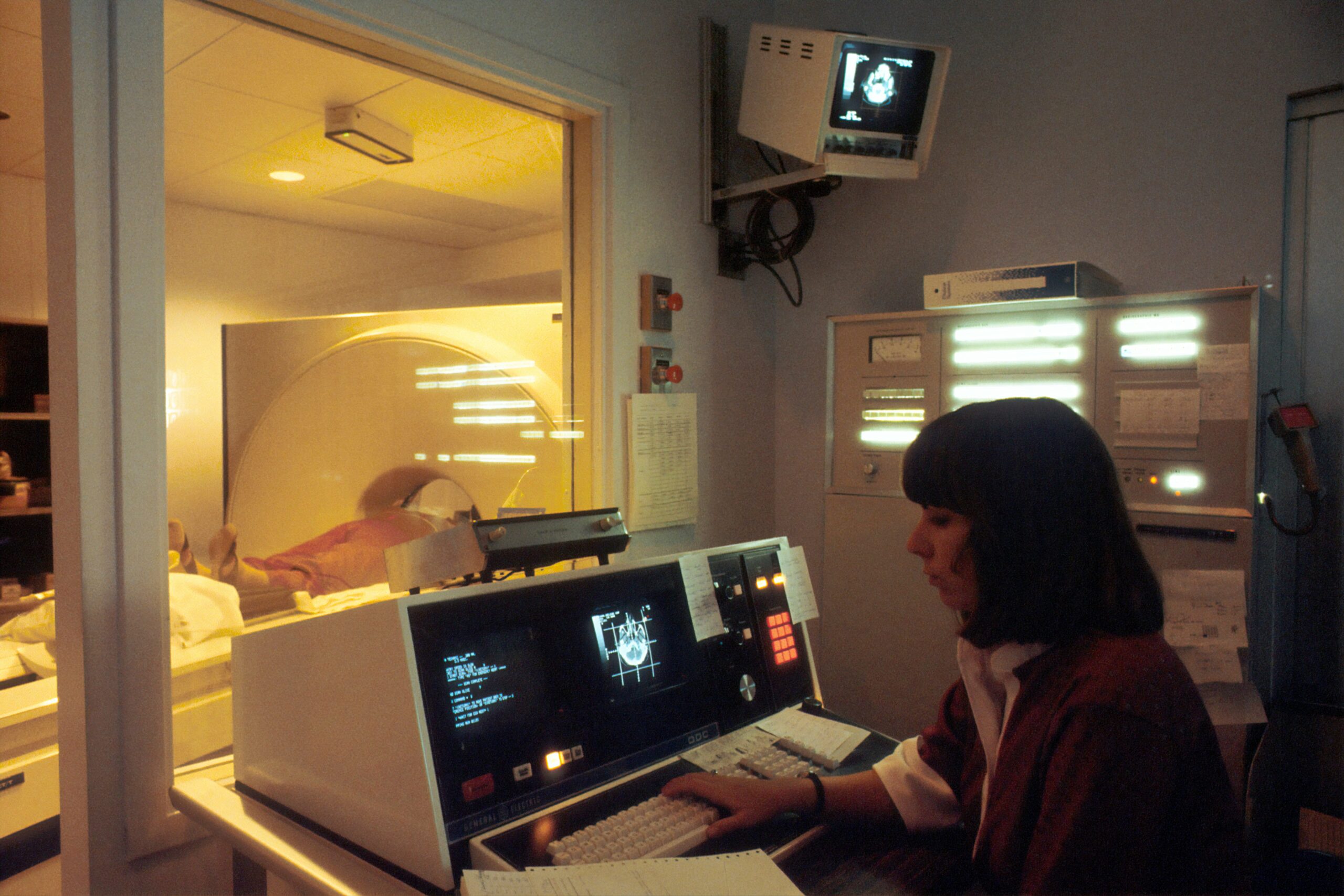
Healthcare facilities are going through a major transformation. This change is powered by new technology that makes hospitals, clinics, and care centers smarter, faster, and more connected. It is not just about fancy machines or high-tech tools. It is about how all parts of healthcare work together to make care better for everyone.
Doctors, nurses, and staff now rely on technology in their everyday routines. From scheduling appointments to monitoring patients, technology helps at every step. It saves time, improves accuracy, and makes it easier to respond to patient needs. As more facilities upgrade their systems, this digital shift is becoming the new normal in healthcare.
A Connected Environment for Patients and Providers
In today’s modern care settings, technology connects people and information like never before. Patients can book appointments online and view their medical records through secure portals. These simple tools remove delays and give patients more control over their care. Providers benefit too. They can see a full history of care and make better decisions quickly.
This connected approach reduces confusion and avoids mistakes. When a patient sees different doctors or visits multiple locations, their information follows them. This helps providers offer safer, more personalized care. It also reduces the need for repeated tests or unnecessary procedures. Everyone stays on the same page, creating a smoother experience.
Faster, Smarter Decisions With Digital Tools
Healthcare decisions often rely on speed and accuracy. With digital systems in place, providers can act quickly and with confidence. For example, electronic health records give instant access to lab results, medication lists, and doctor notes. There is no need to wait for paper files or make phone calls to other clinics.
Smarter systems also help detect problems early. Some tools scan data for warning signs and alert doctors before a condition gets worse. This kind of support can make a big difference in emergencies or for patients with complex needs. It helps healthcare teams move from reacting to problems to preventing them.
Improving the Quality of Patient Care
Technology is making patient care more efficient and more personal. Nurses use handheld devices to check vital signs and update records at the bedside. This ensures the information is always up to date and reduces errors. It also gives nurses more time to focus on patients instead of paperwork.
Patients feel the difference. They receive clearer explanations and faster responses to their concerns. They may even recover sooner because care is better organized. When technology supports the system behind the scenes, the whole system runs more smoothly. This provides patients with greater comfort and peace of mind during their stay.
Supporting Staff With Better Workflow
Healthcare workers face significant pressure every day. Technology can ease some of that load by handling routine tasks. Automated systems manage appointment reminders, billing, and medication orders. These tools save time and reduce the chance of human error.
With fewer manual tasks, staff can focus more on their patients. Doctors can spend more time listening. Nurses can respond faster to needs. When teams are not overwhelmed with paperwork, they can provide care that feels more human and less rushed. That’s better for everyone involved.
Building Trust Through Transparency
People want to understand their health and the care they receive. Technology helps build trust by making information clear and easy to access. Patients can view test results, message their doctor, and track their progress all in one place. This builds a stronger relationship between patients and their care teams.
Transparency also helps prevent misunderstandings. When patients know what is happening and why, they are more likely to follow treatment plans. They feel heard and respected, which makes them more active partners in their health. A little information goes a long way in making people feel cared for.
Making Care More Accessible
Many people struggle to get to a clinic or hospital. They may live far away, have limited transportation, or face other barriers. Technology helps solve this by offering remote care options. Video visits, phone calls, and online check-ins bring the doctor’s office to the patient’s home.
This makes it easier to manage ongoing conditions and follow up after treatment. It also allows specialists to reach more people, no matter where they live. By removing physical limits, technology opens the door to better care for those who need it most. It brings healthcare into places it could not reach before.
Creating Safer Spaces for Healing
Safety is always a top priority in healthcare. Integrated technology helps keep patients and staff protected. Systems can track infections, monitor room conditions, and alert teams to problems. Even small changes in air quality or temperature can trigger a response to maintain the right environment.
In surgical areas and intensive care units, every second counts. Smart tools can guide teams and track every step of a procedure. This ensures the highest standards are met. These tools also help prevent accidents, such as medication mix-ups or missed treatments. By creating safer spaces, technology supports faster healing and better results.
Preparing for the Challenges of Tomorrow
Healthcare is always changing. New diseases appear, populations grow older, and resources get stretched. Integrated technology gives facilities the tools they need to adapt. Systems that can grow, change, and learn help hospitals respond to future needs with confidence.
These tools also help leaders make smarter choices. Data from across the facility can show where to improve or where to invest. Instead of guessing, decisions are based on facts. This helps healthcare systems stay strong and flexible, no matter what lies ahead.
A Future Built on Collaboration
Technology does not replace people; it supports them. The future of healthcare is not just about machines or apps. It is about teamwork between humans and technology. Doctors, nurses, and patients working together with smart tools will create a better system for all.
This kind of partnership leads to better care, stronger relationships, and healthier communities. Technology integration is not just a trend. It is a foundation for the future of healthcare. As more facilities embrace it, the benefits will continue to grow for everyone who depends on care.