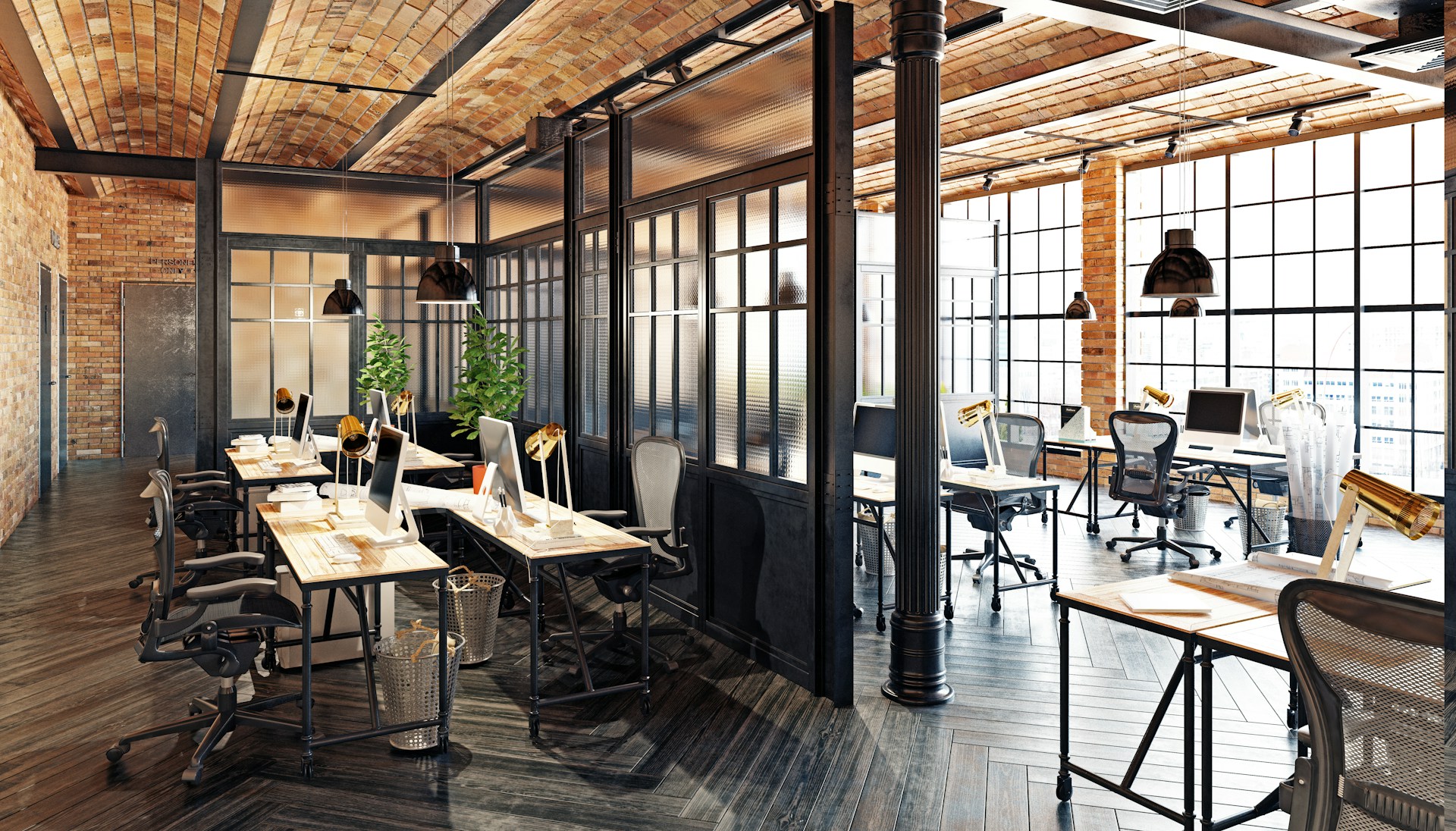
Updating a workplace, store, restaurant, or other business property may look simple from the outside. In reality, every successful project depends on people who can balance design goals, building needs, budgets, schedules, and daily operations. Strong business renovation craftsmanship helps turn an aging or limited property into a space that works better for everyone who uses it. However, technical ability alone cannot guarantee good results. Effective commercial remodel project management also requires planning, communication, judgment, and the ability to solve unexpected problems.
Business owners often renovate because their current space no longer supports their needs. Perhaps the company has grown, customer habits have changed, or an older building needs modern systems. Whatever the reason, each decision can affect another part of the project. Therefore, experienced teams look beyond individual construction tasks. They focus on how the entire property should function after the work ends.
Early Preparation Reveals the Real Priorities
A remodel should begin with a clear understanding of why the business needs change. Before choosing finishes or removing walls, the team should study how people currently use the property. Traffic patterns, storage needs, customer areas, employee spaces, and building systems can all shape the final plan.
Good preparation also helps teams separate essential improvements from optional features. For instance, outdated electrical service may need attention before decorative upgrades make sense. Likewise, accessibility concerns may influence the layout. By identifying these needs early, project leaders can create a practical scope and reduce costly changes later.
Design Thinking Connects Appearance With Purpose
Commercial interiors need to look attractive, but appearance is only part of their job. A well-designed space should help employees work efficiently and make customers feel comfortable. Therefore, remodeling professionals need to understand how design choices affect everyday use.
A restaurant may need clear paths between the kitchen and dining areas, while an office may require quiet rooms alongside open workspaces. Retail stores often depend on smooth customer movement and strong product visibility. Consequently, designers and builders must consider function before approving every feature. When beauty and purpose work together, the renovated property delivers more lasting value.
Financial Control Keeps Ambition Realistic
Commercial remodeling can involve many expenses beyond visible materials. Labor, permits, equipment, professional services, demolition, inspections, and temporary business arrangements can all affect the final cost. For that reason, accurate budgeting requires both experience and attention to detail.
Project leaders should also understand where spending provides the greatest return. Durable flooring may cost more at first, but it can perform better in a busy public area. On the other hand, expensive decorative features may offer little practical benefit. Therefore, good financial control is not about cutting every cost. It is about directing available money toward the improvements that matter most.
Timing Decisions Shape Daily Operations
A commercial property often needs to keep serving employees or customers during renovation. That creates a challenge that many residential projects do not face. Noise, dust, blocked entrances, and temporary closures can interrupt normal business activities if teams fail to plan carefully.
Experienced managers may divide work into phases so the entire property does not close at once. In addition, they can schedule louder tasks outside busy operating hours when practical. Material deliveries and inspections also need careful timing. A realistic schedule gives each trade enough time to complete quality work while helping the business prepare for temporary changes.
Trade Coordination Prevents Worksite Conflicts
A modern business property contains many connected systems. Electricians, plumbers, HVAC technicians, carpenters, painters, flooring installers, and other specialists may all work within the same project. Without strong coordination, one crew can easily interfere with another.
Effective renovation workflow coordination keeps these activities moving in the correct order. For example, mechanical and electrical work usually needs attention before walls and ceilings receive final finishes. Likewise, heavy equipment should leave an area before delicate surfaces are completed. Clear sequencing reduces repeated work and protects finished areas from unnecessary damage. As a result, the project can move forward with fewer delays.
Fast Problem Solving Protects Momentum
Older buildings often reveal surprises once construction begins. Workers may discover hidden water damage, outdated wiring, unusual framing, or plumbing that does not match the original plans. Even newer properties can contain unexpected conditions. Therefore, remodeling teams need to respond calmly and quickly.
Good problem solvers first determine how serious the issue is. Then, they consider cost, safety, schedule, and long-term performance before choosing a solution. Communication remains important during this process because owners need to understand changes that may affect the budget or completion date. Quick decisions help, but thoughtful decisions protect the finished property.
Quality Checks Preserve Long-Term Value
Small mistakes can become expensive after a business reopens. Poorly installed flooring may fail under heavy traffic, while badly fitted doors can interrupt customer movement. Similarly, rushed finish work can make an otherwise expensive renovation look incomplete.
Quality control should happen throughout construction rather than only during the final inspection. Project leaders can review completed work at key stages and correct issues before another trade covers them. Furthermore, teams should compare installation work with approved plans and product requirements. Consistent checks help protect both appearance and performance, which can reduce repairs after completion.
Strong Leadership Turns Plans Into Results
Successful commercial remodel project management depends on someone keeping the larger goal visible from beginning to end. Effective commercial space improvement requires leaders who can connect budgets, schedules, design decisions, trade work, safety, and client expectations. They also need to recognize when a small construction choice could affect business operations later. With strong leadership, each specialist understands both the immediate task and its role in the complete renovation.
A successful remodel ultimately reflects many skills working together. Technical knowledge matters, but organization, communication, financial awareness, adaptability, and quality control matter just as much. Therefore, businesses should view remodeling as a coordinated process rather than a collection of separate construction jobs. When experienced professionals combine these abilities, commercial remodel project management can produce a space that looks polished, performs reliably, and supports the business long after construction ends.